


Cheltenham Betting Tips 2027 — Data-Backed Picks, Strategy & Form Guide
Cheltenham betting tips are everywhere in March. Every bookmaker, pundit, and racing page will tell you who to back and why. Most of them are guessing. We are not.
The 2027 Cheltenham Festival brings 28 races across four days at Prestbury Park, with William Hill projecting roughly £450 million in wagers over the meeting. That figure alone tells you something important: this is the single biggest betting event in the National Hunt calendar, and the money flowing through the market creates both opportunity and noise. The trick is separating the two.
This guide takes a different approach to Cheltenham predictions. Instead of subjective naps dressed up as analysis, we lean on 25 years of verifiable data — favourite strike rates broken down by day, race type, and year; trainer and jockey records measured in level-stake profit rather than vague reputation; course form metrics that actually predict repeat performance. Every claim in these pages comes with a number you can check and a source you can follow. Data-backed picks, no hype, just form.
Whether you are mapping out an ante-post strategy weeks before the off or fine-tuning selections on the morning of Gold Cup Day, the sections below cover the full spectrum: festival context, bet-type mechanics, form methodology, trainer intelligence, ground conditions, and daily race-by-race picks. Use the table of contents to jump straight to what matters to you, or read the whole thing — we have built it to reward both approaches.
What 25 Years of Festival Data Tell Us About 2027
- Favourites have won 29.2% of Cheltenham races since 2000, but the rate swings wildly by day — Champion Day sits at 37%, while Gold Cup Friday is the worst performer and has produced five festivals with zero winning favourites.
- Willie Mullins brings 87 entries from 54 horses to the 2027 meeting, backed by 113 career festival wins and a five-year strike rate of 13.27%. His operation dwarfs every rival.
- Irish-trained horses now win 58% of Cheltenham handicaps, up from 35% five years ago — a shift that reshapes how you approach big-field races.
- Ground conditions for 2027 read Good to Soft after a wet winter, with fence positions adjusted on both the Old and New Course — check going preferences before committing to any selection.
- Use level-stake profit, not win counts, to judge jockeys: Jack Kennedy leads at +£40.72 over the past decade, ahead of Nico de Boinville and Paul Townend.
Festival Overview — The Scale of Cheltenham in Numbers
Cheltenham Festival is not just a race meeting. It is an economic engine, a cultural event, and the gravitational centre of National Hunt racing rolled into a single week in the Cotswolds. Before diving into betting strategy, it helps to understand the scale of what we are dealing with — because the size of this festival shapes the markets, the odds, and the way money moves through the sport.
Economic Impact and Attendance
A study by the University of Gloucestershire, commissioned by the Jockey Club, estimated the total economic contribution of the 2022 Festival at £274 million — a figure that had roughly tripled from around £100 million in 2016. The average visitor spent £697 across the week, and 67% described Cheltenham as a bucket-list event. As Ian Renton, the Jockey Club's Regional Managing Director for the West, noted at the time, the festival's relationship with the local community and economy remains remarkably strong.
Attendance, however, tells a more complicated story. The 2025 Festival drew 218,839 racegoers — a decline of approximately 22% from the post-Covid peak of 280,627 in 2022. Wednesday's crowd fell particularly sharply, dropping to 41,949 from 64,431 three years earlier — the lowest Wednesday attendance since 1993, according to the Irish Times. For 2027, the Jockey Club has reduced the daily capacity cap from 68,500 to 66,000, setting a theoretical maximum of 274,000 across four days.
That paradox — an event growing in economic weight while shrinking in bodies through the gate — matters for bettors. Smaller crowds can mean quieter on-course rings, different Tote pool dynamics, and a shift in the type of punter attending. The casual fan may be pricing themselves out; the committed racegoer, the one who actually studies the form, is sticking around.
The Racing Programme
Twenty-eight races across four days. That is the framework. Tuesday opens with Champion Day, headlined by the Champion Hurdle and Supreme Novices' Hurdle. Wednesday brings Ladies Day and the Queen Mother Champion Chase — the fastest two miles in jump racing. Thursday is built around the Stayers' Hurdle and the Ryanair Chase. Friday belongs to the Gold Cup, the race that defines the festival and drew 1.8 million ITV viewers in 2025, with a further 3.6 million streams on ITVX.
The total prize fund for 2027 stands at a record £4,975,000, reflecting a 5% increase on the previous year. The Gold Cup alone carries £625,000, with £351,688 going to the winner. These are not pocket-change races, and the money on offer attracts the best horses from Britain and Ireland — which in turn creates the deepest, most competitive betting markets of the jump-racing season.
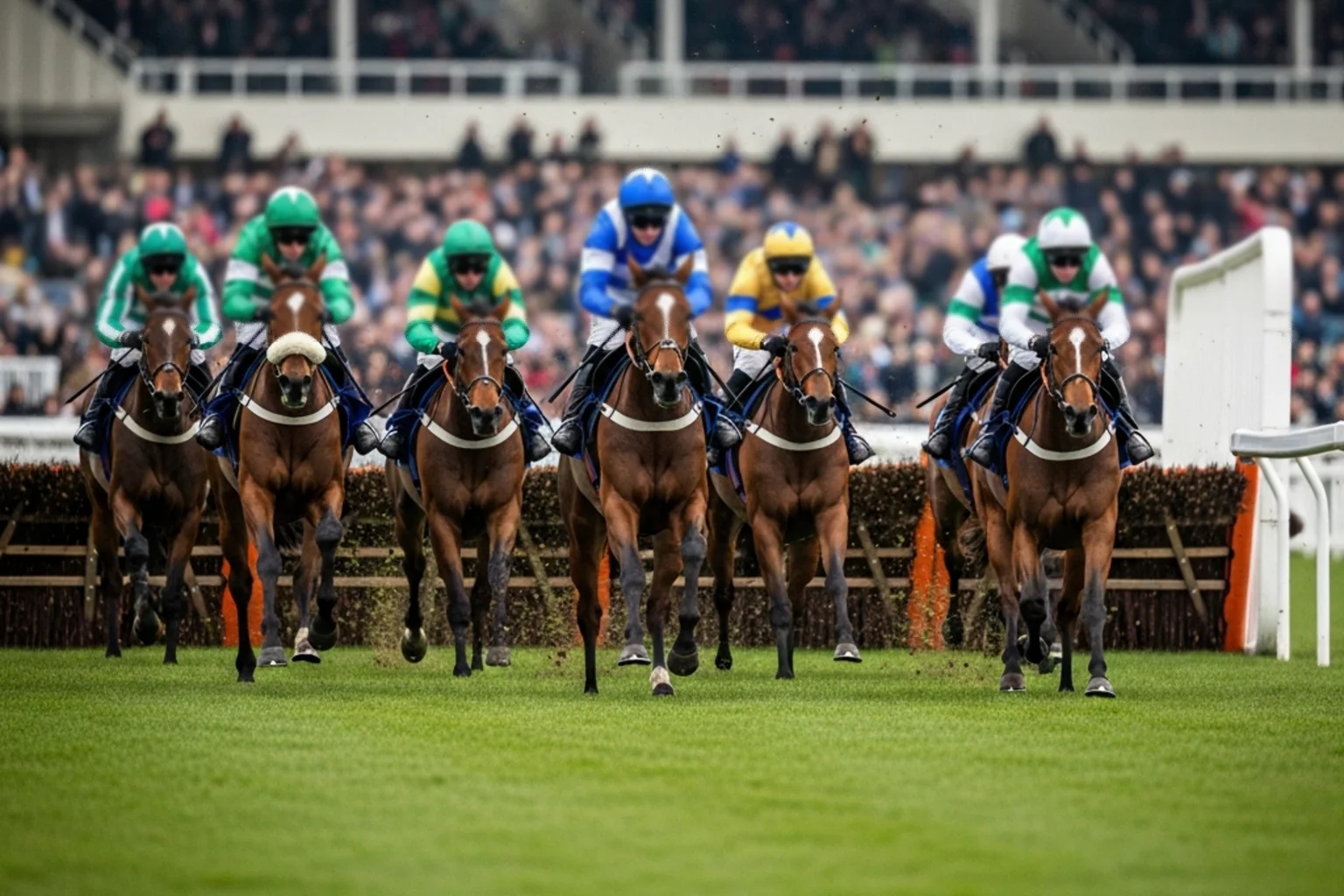
Racegoers consumed approximately 275,000 pints of Guinness at the 2025 Festival — enough to fill three Olympic swimming pools — even as overall attendance dropped. The stout's sales actually increased year on year. Draw your own conclusions.
"We expect around £450 million to be wagered across the four days of the 2027 Festival," said Lee Phelps, a spokesperson for William Hill, describing the contest between bookmakers and punters as "unrivalled" in jump racing. All 28 festival races ranked within the top 31 most-bet-on races of 2025 — only the Grand National, the Derby, and the Scottish National broke into that list from outside Cheltenham. That concentration of wagering interest means the odds markets here are among the most liquid and efficient you will find anywhere in British racing, which has direct implications for how you hunt value.
Betting Types at Cheltenham — A Punter's Toolkit
Cheltenham is not a one-size-fits-all betting event. The range of races — from small-field Grade 1s to 24-runner handicaps — demands different approaches, and the bet type you choose matters almost as much as the horse you select. Here is a practical overview of the options available, calibrated for the festival environment.
Win and Each-Way
The simplest bet at Cheltenham: pick a horse to win, or back it each-way for a return if it finishes in the places. Each-way terms at Cheltenham vary by field size and race type — most non-handicaps pay one-fifth the odds for the first two or three places, while handicaps with 16 or more runners typically offer one-quarter the odds for four places. In festival handicaps, where favourites routinely disappoint, each-way betting is the default approach for most experienced punters. The logic is straightforward: with fields of 20-plus and wide-open markets, placing is often more achievable than winning, and the place returns can still generate healthy profits at longer odds.
Accumulators and Multiples
Accumulators — betting on multiple selections across different races — are immensely popular during festival week. The appeal is obvious: small stakes, large potential returns. The maths, however, is less kind. Each additional leg multiplies not just the potential payout but also the probability of failure. A four-fold accumulator backing horses at an average of 4/1 carries roughly a 3% chance of landing. That said, the festival structure — seven races a day, four days running — naturally encourages multi-race thinking. Lucky 15 bets (four selections in 15 combinations of singles, doubles, trebles, and a four-fold) offer a middle ground, returning something even if only one leg wins. Trixie and Yankee bets provide other combination structures worth understanding.
Forecast, Tricast, and Exotics
Predicting the first two home (forecast) or the first three (tricast) suits certain Cheltenham races better than others. Grade 1 events with small fields and dominant favourites compress forecast dividends. Big handicaps, on the other hand, can produce enormous computer straight forecasts — four-figure returns from modest stakes. The Tote's Placepot, requiring a placed horse in each of the first six races, draws massive pools during festival week and represents a different kind of value proposition entirely.
In 2022, OpenBet processed roughly £500 million in Cheltenham wagers, with the Gold Cup alone generating 3.5 million individual bets. The average win or each-way stake came to just £8.22 — proof that this is a festival of modest punters, not high rollers.
The right bet type depends on the race. Non-handicap Grade 1s — the Champion Hurdle, the Gold Cup — suit win singles and small-field forecasts. Festival handicaps favour each-way approaches and exotic multiples. And if you are building accumulators, mixing race types across the card spreads risk more effectively than loading four handicaps together and hoping for a miracle. The detailed mechanics of each bet type are covered in dedicated guides elsewhere on this site; here, the point is to match the tool to the job.
Form Analysis Methodology — How We Pick Horses
There is no shortage of Cheltenham tips built on gut feeling, stable whispers, or which horse has the nicest name. Our methodology is different. Every selection runs through a structured process that weighs measurable factors against each other, and we publish the framework so you can replicate, challenge, or adapt it yourself.
The Core Factors
Six variables drive our form analysis, weighted by their historical predictive power at Cheltenham specifically — not flat racing, not all-weather, not jumps in general. The festival has its own statistical personality, and treating it like any other race meeting is the first mistake most tipsters make.
Official Rating (OR). The handicapper's assessment of ability. In non-handicap races, the highest-rated horse wins roughly in proportion to the rating gap. In handicaps, the OR sets the weight, and the question shifts from "who is the best?" to "who is the most improved?"
Distance and going preferences. A horse that thrives over two miles on good ground is not the same proposition over three miles on soft. We cross-reference every selection's distance record with its going history, and any mismatch triggers a flag. At Cheltenham specifically, with its undulating track and the climb up the hill, stamina demands are amplified beyond what the official distance suggests.
Class. A horse rising from a Class 3 handicap to a Grade 1 festival race faces a different world. We track class history and look for horses stepping up from equivalent — or higher — levels of competition.

Course form. Cheltenham rewards specialists. Data from OLBG shows that seven-year-old horses with a previous Cheltenham win have posted a strike rate of 28% since 2013. That is not a minor edge; it is a statistically significant advantage. We weight previous course performance heavily in our model, particularly when a horse has handled the Old Course or New Course layout that matches the current race.
Jockey Level-Stake Profit
Win counts tell you who rides the most fancied horses. Level-stake profit tells you who actually makes you money. There is a meaningful difference. A jockey who rides 50 favourites and wins 15 might have a fine strike rate but a negative return at starting price. A jockey who rides fewer mounts but consistently outperforms the market — that is the rider you want on your side.
Sporting Life's analysis of the last decade of festival results provides the numbers. Jack Kennedy leads active riders with a level-stake profit of +£40.72 from festival mounts over ten years. Nico de Boinville follows at +£35.16. Paul Townend — who rides for the all-conquering Mullins yard — sits at +£28.73. Rachael Blackmore, before her retirement in May 2025, had accumulated +£12.64. These are returns to a £1 level stake on every mount — a metric that strips out hype and measures raw market-beating performance.
Level-stake profit is the single most underused metric in festival previews. If a jockey makes you money over a large sample of festival rides, that pattern is worth more than any one stable tour or paddock impression.
Trainer Form Windows
We assess trainer form not across an entire season but across specific windows: the period from Christmas to the festival, the Dublin Racing Festival results, and the last three festival meetings. A trainer peaking at the right time matters more than a trainer who had a good autumn. This is particularly true for Irish yards, where the festival preparation pipeline — from Leopardstown at Christmas through the Dublin Racing Festival in early February — follows a well-worn path. We map each trainer's pipeline results onto their Cheltenham entries to identify who is arriving in form and who is arriving on reputation alone.
The methodology is not a black box. In each daily tips article, we show which factors drove the selection and how the variables aligned. If you disagree with a pick, you can see exactly where our reasoning diverges from yours — and that transparency is the whole point.
Trainer and Jockey Overview — The People Behind the Picks
You cannot bet on Cheltenham intelligently without understanding the people who prepare and ride the horses. The festival's competitive landscape is dominated by a handful of operations, and their records, ambitions, and tactical tendencies shape the market in ways that raw form figures alone cannot capture.
Willie Mullins — The Numbers Behind the Legend
Start with the obvious. Willie Mullins has won 113 races at the Cheltenham Festival — a record that, at the current rate, nobody alive is likely to touch. In 2025, he sent out 10 winners, equalling his own single-festival record from 2022. He has been the festival's leading trainer in eight of the last ten meetings and has collected 12 Leading Trainer Awards in total.
The scale of the 2027 operation underscores why. Oddschecker reports 87 entries from 54 individual horses, including nine entries for the Gold Cup alone. Over the past five seasons, Mullins runners have recorded 46 wins from 347 starts — a strike rate of 13.27%. Beyond the winners, 91 of his runners finished second through fourth, meaning 39.5% of his festival starters hit the frame. For each-way bettors, that frame rate is arguably more important than the win rate.
His dominance extends beyond Cheltenham. In 2023-24, Mullins became the first Irish trainer to win the British Champion Trainer title in 70 years — the first since Vincent O'Brien in 1954. He set a world record of 39 Grade 1 victories in a single season and produced 257 winners across the Irish campaign. As Mullins himself has said, describing the Closutton machine: "It is a huge team operation. I could never have imagined bringing this number of horses to the festival."
The British Challenge — Henderson, Skelton, and the Rest
Nicky Henderson remains the most successful British trainer in festival history, with his Seven Barrows operation regularly producing Champion Hurdle and Arkle contenders. Dan Skelton, who emerged from the Paul Nicholls academy, has built the largest string in Britain and increasingly targets the festival with volume. Henderson has suggested publicly that the 2027 British squad is stronger than in recent years, pointing to the King George at Kempton — where two British and two Irish horses fought out the finish — as evidence of a shift in the balance of power.
Whether that translates to festival results remains to be seen. The data tells a story of sustained Irish dominance, and hoping for a British revival is not the same as having the numbers to back it.
Paul Townend and the Jockey Hierarchy
As Mullins' principal jockey, Paul Townend occupies the most enviable seat in festival racing. His record stands at 38 wins — trailing only Ruby Walsh (59) and Barry Geraghty (43) among modern riders. His win rate of 14% across all festival mounts is strong, but his 2024 performance was remarkable: six winners from 15 rides, a strike rate of 40%. Townend has been the leading festival jockey in five of the last six meetings, and 36 of his 37 most recent festival wins came aboard Mullins-trained horses. That dependency works both ways — when Townend is on your selection, you effectively have the Mullins machine behind it.
Rachael Blackmore retired in May 2025 with 18 festival victories, having achieved what no other rider had managed: wins in the Champion Hurdle, Champion Chase, Stayers' Hurdle, and Gold Cup. Her departure reshapes the jockey market for 2027, particularly for the Henry de Bromhead yard.
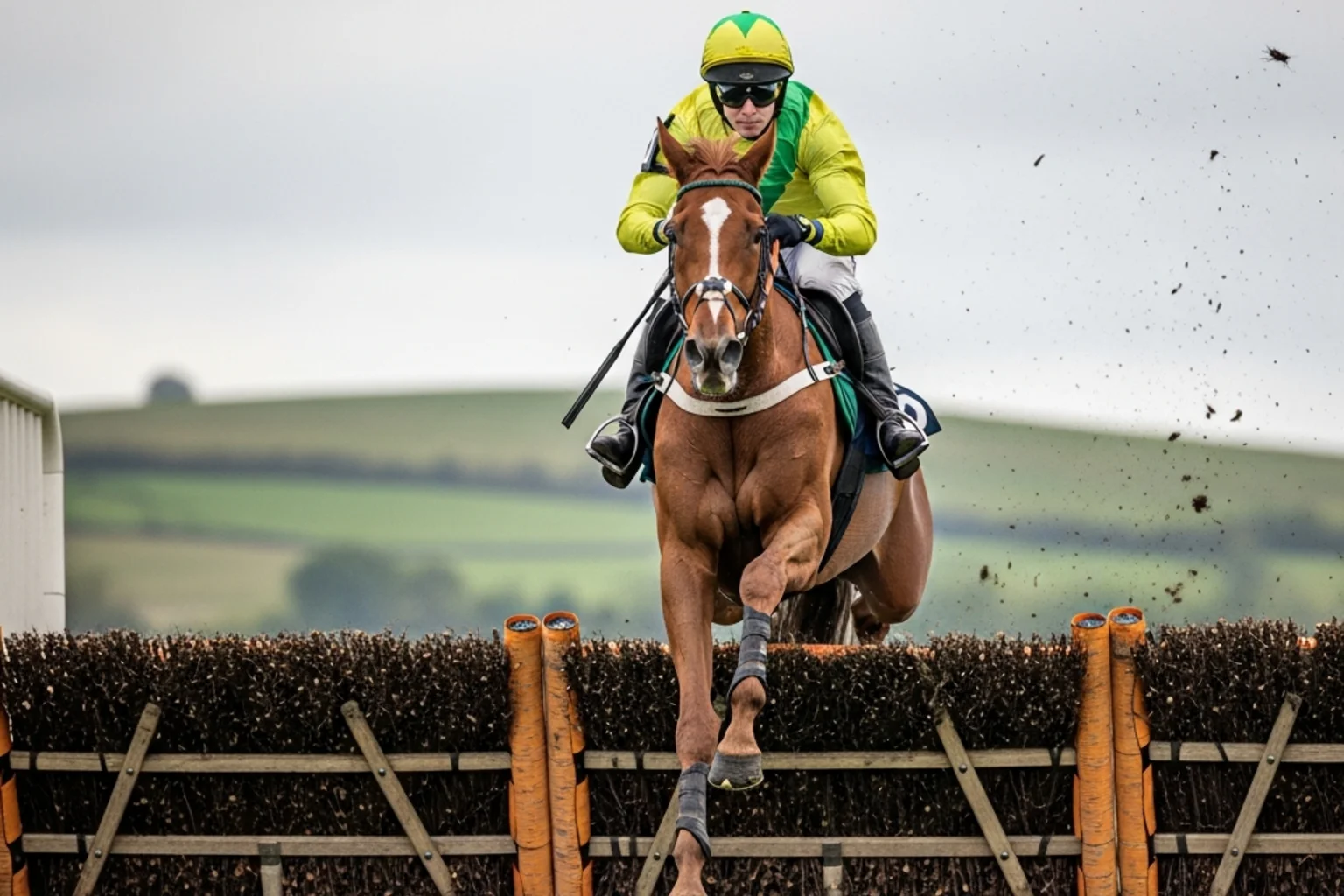
The Prestbury Cup — Ireland vs Britain
Ireland has won 10 of the last 12 contests, with an overall record of 204 wins to Britain's 128 from 333 races — a 61.3% share. The most dominant year came in 2021, when Ireland took 23 of 28 races (82%) despite providing only 40% of the runners. The 2025 Festival closed with Ireland winning 20-8, including a clean sweep on the final day.
More telling than the headline numbers is the handicap trend. Irish winners in festival handicaps have surged from 35% of the total between 2015-2019 to 58% between 2020-2024. And this is not purely a Mullins phenomenon — of 55 Irish handicap victories in that wider period, only 10 came from the Closutton yard. Trainers like Gordon Elliott, Gavin Cromwell, and a host of smaller Irish operations are raiding the handicaps with increasing precision. For anyone betting on Cheltenham handicaps in 2027, ignoring the Irish entries is not contrarianism. It is negligence.
Interactive Tool
Prestbury Cup Sum Checker, and DRF Conversion Rate
Sum the guide's own Ireland vs Britain tally against its stated race total, and calculate the exact Dublin Racing Festival to Cheltenham conversion rate.
Unaccounted Races
-
-
Ireland Wins
-
Britain Wins
-
Calculated Sum
-
What this guide states as a tally that doesn't quite add up: "an overall record of 204 wins to Britain's 128 from 333 races." Summing the two win counts gives 332, not 333 — a gap of 1 race the guide never flags (possibly a dead-heat counted once rather than split between the two tallies).
Conversion Rate
-
-
DRF Runners
-
Won Both
-
Missed at DRF
-
What this guide gives as two counts without the rate: "48 Cheltenham Festival winners had run at the Dublin Racing Festival in the preceding weeks, and 22 of those horses won both meetings." The conversion rate is never calculated — it's 45.8%, meaning more than half of DRF runners who later won at Cheltenham did NOT also win at the DRF itself.
Favourites Data — 25 Years of Backing the Market Leader
The question punters ask more than any other before Cheltenham: should I back the favourite? The answer, drawn from 25 years of festival data compiled by Betway, is more nuanced than a simple yes or no — and more useful, once you know where to look.
The Headline Number
Since 2000, starting-price favourites have won 188 of 644 Cheltenham Festival races — a strike rate of 29.2%. That translates to an average of 7.52 winning favourites per festival and roughly two per day. At first glance, that looks like a losing proposition: you back the favourite in every race, and you lose more than 70% of the time. But strike rate alone does not determine profitability. The odds at which those favourites start — and the specific races in which they perform — matter far more.
Day-by-Day Breakdown
The data splits sharply across the four days of the festival. Champion Day on Tuesday is comfortably the best day for favourite backers: 61 winners from 164 races, a strike rate of 37%. The opening day features several Grade 1 events where class tends to tell, and the market has historically been most efficient at identifying the right horse on the first afternoon.
By Friday, the picture inverts. Gold Cup Day is statistically the worst day for favourites, and five of the 25 festivals in the sample produced a Friday with zero winning favourites. The explanation is partly structural: Friday's card includes some of the trickiest handicaps of the week, and the Gold Cup itself — for all its prestige — has a habit of producing surprises. If your strategy relies heavily on market leaders, Tuesday is your friend. Friday is not.
Race-by-Race Extremes
Drill into individual races and the variation becomes even more stark. The Coral Cup — a large-field handicap hurdle — has seen the favourite win just twice in 25 runnings, a success rate of 8%. That is not a race where backing the market leader makes any sense whatsoever. At the other end, certain Grade 1 events — the Champion Chase, the Supreme Novices' — have historically rewarded favourites far more generously.
The longest winning streak for favourites in the dataset spans six consecutive races in 2019, from the Champion Chase through to the Pertemps Final. The longest losing streak stands at 13 in a row, recorded in 2008. Those extremes illustrate a fundamental truth about Cheltenham: the festival is volatile, and clustering effects — where favourites either dominate a card or collapse entirely — are a regular feature.
Year-by-Year Swings
The best year for favourite backers was 2003, when 11 of 20 races went to the market leader — a win rate of 55%. The modern expanded programme has never matched that, though 2022 came closest with 12 of 28 (42.9%). The 2025 Festival produced a below-average return: nine winners from 28 races, a 32.1% strike rate. The five-year rolling average sits at roughly 35.5%.

| Metric | Figure |
|---|---|
| Overall favourite win rate (2000-2025) | 29.2% (188/644) |
| Day 1 (Champion Day) | 37% |
| Day 4 (Gold Cup Day) | Worst — five zero-winner Fridays |
| Coral Cup favourites | 8% (2/25) |
| Best single year | 2003 — 55% |
| Longest losing streak | 13 races (2008) |
What This Means for 2027
The practical takeaway is not to avoid favourites entirely — that would cost you nearly a third of all winners. Instead, apply the data selectively. Back favourites in the Grade 1 events on Tuesday, where the market is historically sharpest. Fade them in the big handicaps, particularly on Wednesday and Friday, where field sizes and competitive depth erode the market leader's advantage. And never build a four-day strategy around the assumption that favourites will perform consistently — the data shows they do not.
Going and Weather — How Ground Conditions Shape Results
Ground conditions at Cheltenham are not a footnote. They are a variable that can turn a banker into an also-ran and a longshot into a winner overnight. The festival's position in mid-March — at the tail end of a British winter — means the going is almost always on the softer side of the spectrum, but the degree of softness varies enormously from year to year, and 2027 has its own specific story to tell.
GoingStick and What the Numbers Mean
The GoingStick is the industry-standard instrument for measuring ground conditions. It operates on a scale of 1 (heavy) to 15 (firm). Ahead of the 2027 Festival, the Old Course recorded a GoingStick reading of 6.2, corresponding to ground described as Good to Soft, Good in places. For context, a reading of 5.0 would typically be described as Soft, while 7.0 maps closer to Good. The 6.2 reading sits in that intermediate zone where ground preferences become critically important — horses that handle a bit of cut will be fine; those needing genuinely good ground may struggle.
GoingStick — a mechanical device inserted into the turf that measures both penetration (how deep it sinks) and shear (how easily the surface layer slides). The combined reading is expressed as a single number on a 1-15 scale, with separate readings sometimes given for penetration and shear components.
Fence Positions and the 2027 Adjustments
A less visible but tactically significant development for the 2027 meeting involves the repositioning of fences on both the Old and New Course. A wet winter created problem areas on the racing surface, and the ground staff moved the final fences to provide a better racing line through damaged sections. Jon Pullin, the clerk of the course, explained that the wet winter had created a problem zone near the final obstacles, and moving them backward gave horses a better racing line through the damaged sections — effectively creating a slightly different test from what returning horses might have experienced in previous years.
For bettors, this matters in a specific way: course form from recent renewals needs a small asterisk. A horse that won a New Course race in 2024 negotiated a slightly different layout to what it will face in 2027. The adjustment is not dramatic — we are talking about metres, not furlongs — but in tight finishes, marginal differences in jumping angles can affect outcomes.
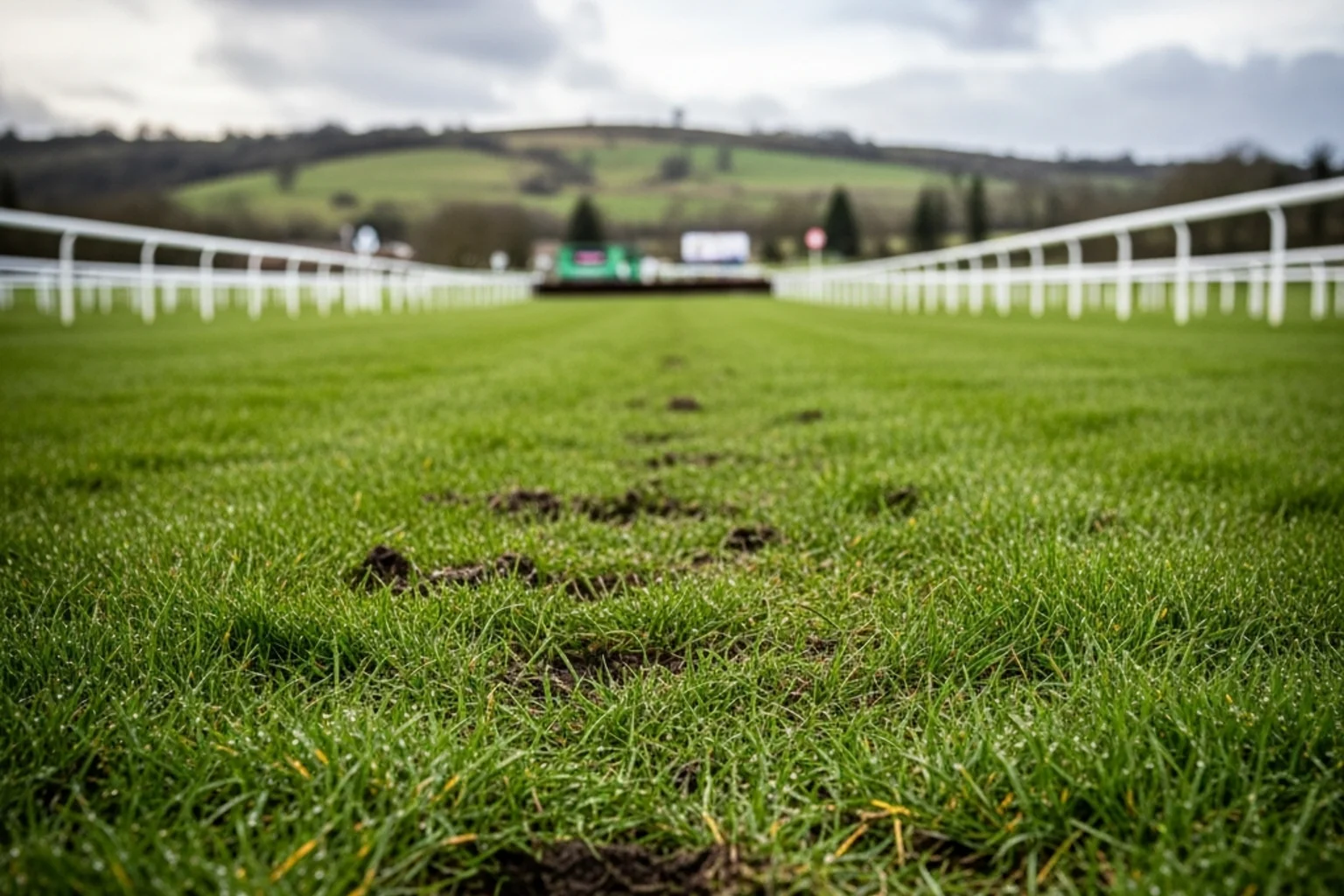
How to Use Going Data
Every horse in training has a going record that you can check in the form book or on any major racing database. Look for two things: overall record on soft or good-to-soft ground, and — more importantly — performance on courses that share Cheltenham's undulating, stamina-sapping profile. A horse with good soft-ground form at flat, galloping tracks like Wetherby is not necessarily suited to handling the same conditions up the Cheltenham Hill.
The 2027 Festival starts on Good to Soft ground with adjusted fence positions. Cross-reference every selection's going preference with its course profile — a horse that handles the cut but has never tackled Cheltenham's terrain is a different proposition from one that has done both.
Daily Tips Hub — Race-by-Race Picks Across Four Days
The festival unfolds in four distinct chapters, each with its own character, headline races, and statistical tendencies. Below is an overview of what to expect each day, along with the key tactical considerations that feed into our race-by-race selections.
Day 1 — Champion Day (Tuesday)
The opening day is statistically the strongest for favourite backers, with a 37% win rate for market leaders since 2000 — comfortably the highest of the four days. That makes sense: Tuesday's card is loaded with Grade 1 events (Supreme Novices' Hurdle, Arkle, Champion Hurdle) where class tends to rise to the surface. The downside for value hunters is that the odds are often compressed, and genuine longshots are rarer on Champion Day than on any other afternoon of the week. Our approach on Tuesday leans toward backing proven quality in the Grade 1s and reserving more adventurous selections for the supporting handicaps.
Day 2 — Ladies Day (Wednesday)
The Queen Mother Champion Chase — two miles at racing speed — anchors Wednesday's card. This is the day where the attendance dip has been most pronounced, with Wednesday crowds falling to their lowest level in decades. From a betting perspective, the Wednesday handicaps — Cross Country, Coral Cup, and Boodles — are among the trickiest puzzles of the week. The Coral Cup, as noted earlier, has an 8% favourite success rate. Our Wednesday approach tilts toward each-way value in the big-field events and respects the market in the Champion Chase.
Day 3 — Stayers' Hurdle Day (Thursday)
Thursday pairs the Stayers' Hurdle (three miles of attritional hurdling that rewards stamina and jumping precision) with the Ryanair Chase (two-and-a-half-mile chasers who are too fast for the Gold Cup and too slow for the Champion Chase). The Pertemps Final, a handicap hurdle run from qualifying heats through the winter, also features — and tends to reward punters who have followed the qualification series rather than those parachuting in on the morning of the race. Thursday is a day where preparation and niche knowledge can separate winners from the crowd.
Day 4 — Gold Cup Day (Friday)
The showpiece. The Gold Cup itself is the race every punter has an opinion on, but the supporting card — including the County Hurdle, the Martin Pipe, and the Grand Annual — contains some of the deepest handicaps of the meeting. Historically, Friday is the worst day for favourites. Five of the last 25 Gold Cup Days produced zero winning market leaders. Our Friday strategy reflects this: respect in the Gold Cup itself, where class usually tells, combined with aggressive each-way plays in the handicaps where the market routinely misprices runners.
Full race-by-race selections, with form analysis and reasoned staking suggestions, are published in our dedicated daily guides for each day of the 2027 Festival.
Ante-Post Overview — Early Bets and the Value Window
Ante-post betting — placing a wager before the day of the race, sometimes weeks or months in advance — is where the sharpest Cheltenham profits are made. The trade-off is risk: if your horse does not run, most ante-post bets are lost. But the prices available in ante-post markets can be dramatically better than what you will find on the morning of the race, and timing your entry correctly is a skill worth developing.
The November Meeting Myth
Every year, a strong performance at Cheltenham's November Meeting sends horses rocketing up the ante-post betting for the festival. The assumption is intuitive: win at Cheltenham in November, and you have proven your course form with months to spare. The data says otherwise. Of the 644 festival winners since 2000, just 15 — or 2.3% — had won at the November Meeting in the same season. November form is not irrelevant, but it is vastly overweighted in the market. Roughly 10.7% of festival winners had participated at the November Meeting without necessarily winning, which suggests the meeting's value lies in spotting horses that handle the track, not in blindly following the winners.
The Dublin Racing Festival Pipeline
A far more reliable ante-post signal comes from across the Irish Sea. The Dublin Racing Festival, held at Leopardstown in early February, has become the unofficial dress rehearsal for Cheltenham. Since the DRF was established in 2018, 48 Cheltenham Festival winners had run at the Dublin Racing Festival in the preceding weeks, and 22 of those horses won both meetings. That is a remarkably tight correlation, and it reflects the way Irish trainers — Mullins, Elliott, and others — use the DRF as a final prep race before targeting Cheltenham.
The DRF is also the clearest window into the growing Irish dominance of Cheltenham handicaps. If you are placing ante-post bets on festival handicaps after the DRF results land in early February, the Irish runners that performed well at Leopardstown deserve serious attention — the trend data on Irish handicap success, covered in our trainer section above, makes the case convincingly.
NRNB Protection
Non-Runner No Bet is the safety net that makes ante-post wagering viable for most punters. A bookmaker offering NRNB terms will refund your stake if the horse does not make it to the start — eliminating the worst downside of early betting. The trade-off is price: NRNB odds are shorter than standard ante-post prices, reflecting the bookmaker's added liability. For shorter-priced selections, the NRNB premium is usually manageable. For longshots, you need to weigh whether the protection justifies accepting odds that might be half what you could get without it. Our detailed guide to NRNB mechanics covers the specifics.
The best ante-post value window opens immediately after the Dublin Racing Festival in early February and closes as the market sharpens in the final week before Cheltenham. Use DRF results as a filter, apply NRNB protection on shorter-priced selections, and treat November Meeting form as a data point rather than a predictor.
Free Bets and Offers — Navigating the Cheltenham Market
Festival week is open season for bookmaker promotions. Every operator in the market launches Cheltenham-specific offers — free bets, enhanced odds, money-back specials, Best Odds Guaranteed, extra-place each-way deals — and the volume of marketing can make it difficult to distinguish genuine value from noise. Here is how to think about it.
What Actually Matters
Three features are worth prioritising when choosing where to place your Cheltenham bets. Best Odds Guaranteed (BOG) ensures that if the starting price drifts beyond the odds you took, you receive the higher payout. Given how much Cheltenham markets can move between the morning and the off — especially on the first day, when sentiment shifts rapidly — BOG is not a luxury. It is a baseline requirement.
Non-Runner No Bet (NRNB) protection on ante-post markets, as discussed above, eliminates the risk of losing your stake to a late withdrawal. And extra-place offers on handicap races — where the bookmaker pays out on five or six places instead of the standard four — can turn a near-miss into a return. In a 24-runner handicap, the difference between fourth and fifth place is the difference between profit and nothing.
The Scale of the Opportunity
With an estimated £450 million wagered across the four days, bookmakers competing for market share across the biggest wagering week in jump racing flood the promotional landscape with offers that favour the organised punter. That competition benefits you, but only if you claim the right offers and stay disciplined enough not to let promotional terms steer your selections. A free bet on a horse you would not otherwise back is not free value — it is a bookmaker using marketing spend to generate turnover on a bet you would not naturally make.
Our dedicated offers comparison guide breaks down the current promotions from the leading UK bookmakers, including the specific terms that matter: wagering requirements, minimum odds, qualifying stakes, and expiry windows. The detail is worth reading before you commit to a platform for the week.
Choose your Cheltenham bookmaker based on BOG, NRNB availability, and extra-place terms — not on headline free-bet amounts. The structural features that protect your wagers across 28 races are worth more than a one-time promotional credit.
Frequently Asked Questions
Do favourites win at Cheltenham Festival?
Yes, but less often than most punters assume. Over 25 festivals since 2000, starting-price favourites have won 29.2% of races — roughly three in ten. The rate varies significantly by day: Champion Day on Tuesday produces a 37% favourite strike rate, making it the strongest day for market leaders, while Gold Cup Friday is the weakest, with five festivals recording zero winning favourites on the final day. The type of race also matters enormously — non-handicap Grade 1 events reward favourites far more reliably than big-field handicaps, where the Coral Cup's 8% favourite win rate represents the extreme end of unpredictability. The practical approach is to back favourites selectively in the early-week Grade 1s and treat handicap favourites with considerable scepticism.
What is the best Cheltenham betting strategy for beginners?
Start with a fixed budget for the week and divide it into units — typically 1-2% of your total bankroll per bet. Focus on each-way singles rather than accumulators for your first festival; each-way bets return something if your horse places, which keeps you in the game across four days instead of going bust on a failed four-fold by Tuesday afternoon. Prioritise course form when assessing horses — seven-year-olds with a previous Cheltenham win have a 28% strike rate since 2013, which is a far stronger signal than recent form at other tracks. Check the going on the morning of racing and cross-reference it with each horse's ground preferences. And choose a bookmaker that offers Best Odds Guaranteed and NRNB on any ante-post bets, because those structural protections are worth more than any flashy welcome offer.
How does the course layout affect betting at Cheltenham?
Cheltenham uses two distinct layouts — the Old Course and the New Course — and the difference is not cosmetic. The Old Course, used on Tuesday and Wednesday, features a longer run from the final fence to the winning post and a slightly different line up the Cheltenham Hill. The New Course, used on Thursday and Friday, has a shorter finishing straight and different fence positions. Horses that have handled one layout well do not automatically transfer that form to the other. In 2027 specifically, fence positions on both courses have been adjusted due to damage from a wet winter, creating a slightly altered test even for returning winners. Always check which course your race is on, review your selection's previous record on that specific layout, and factor in the ground conditions on the day — the Hill drains differently depending on rainfall patterns, and a horse that climbed it well on good ground may struggle on soft.
Responsible Gambling
Gambling should be entertainment, not income. The Cheltenham Festival is one of the most exciting weeks in sport, but no amount of data, analysis, or expert opinion changes the fundamental reality: most bets lose. Set a budget before the festival starts, stick to it, and never chase losses.
If you feel that gambling is becoming a problem, help is available. GambleAware provides free information and support. GamCare offers confidential advice and counselling. You can also call the National Gambling Helpline on 0808 8020 133, available 24 hours a day.
Please gamble responsibly. You must be 18 or over to bet.
