
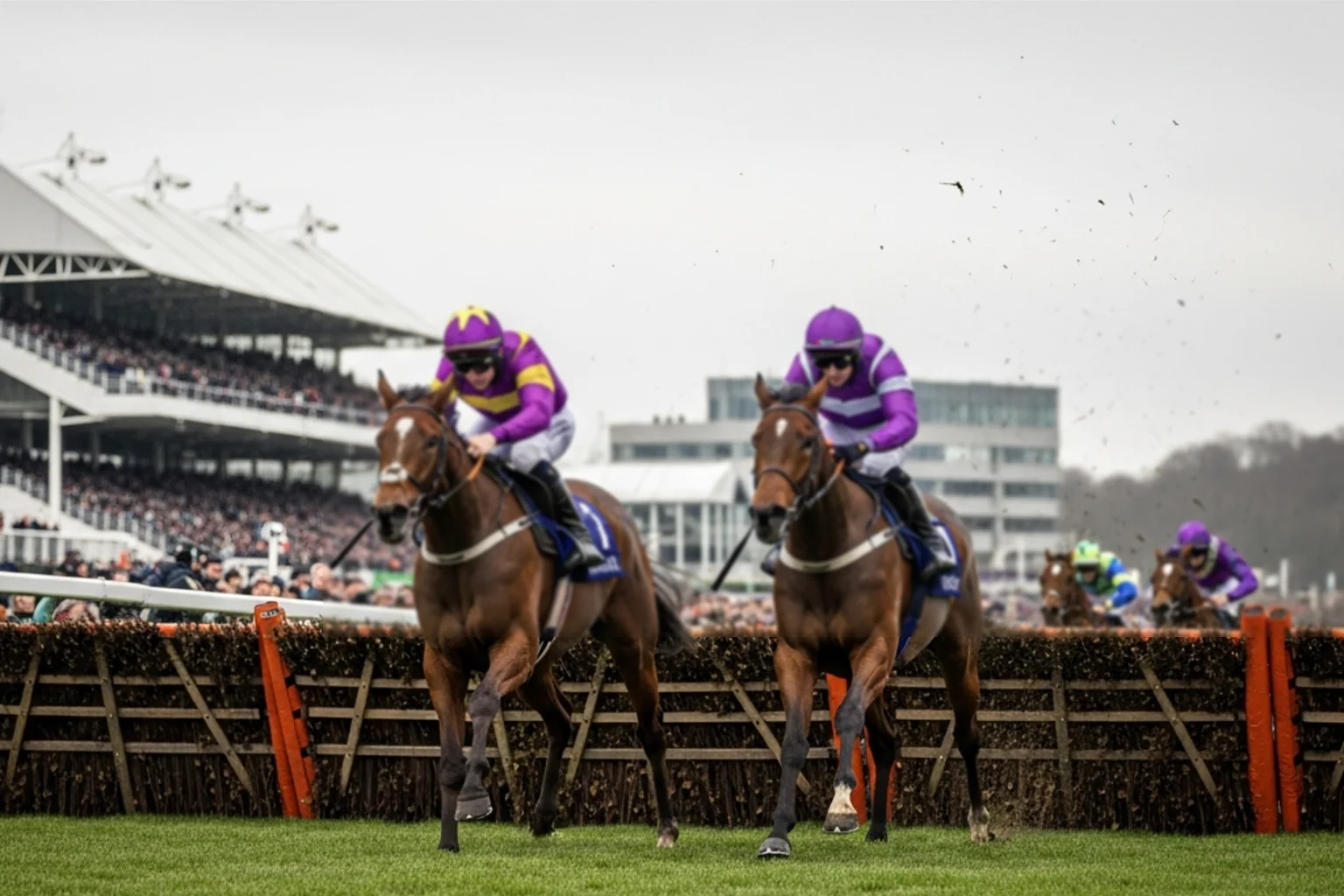
Thursday tests stamina — yours and the horses’. Day 3 is when the festival shifts gear. The novelty of Day 1 has faded, Wednesday’s value plays have either paid off or not, and now the card sharpens around two championship races that demand genuine staying power. The Stayers’ Hurdle and the Ryanair Chase sit at the heart of Thursday, offering contrasting tests of endurance and tactical speed over fences.
For punters, Day 3 also marks the point where the going may have changed significantly from Tuesday’s opening conditions. Two days of racing churn up the ground, and Thursday’s card often runs on softer terrain than the one the festival started on. This mid-festival ground shift is particularly important for the staying races, where stamina on testing ground separates the genuine stayers from horses who merely get the trip on a good surface. By Thursday, form trends from the earlier days begin to emerge — which trainers are in form, which jockeys are riding with confidence, how the ground is affecting results. Smart punters use those emerging patterns as an overlay on their pre-festival analysis.
Turners Novices’ Chase & Pertemps Final
The Turners Novices’ Chase opens Thursday over an intermediate trip of just under two and a half miles. It occupies interesting territory — too far for pure speed chasers, too short for out-and-out stayers — and the race tends to go to versatile novices who combine pace with the ability to sustain it through the Cheltenham hill. Mullins has an outstanding record in novice chases at the festival, and with 87 entries across the 2026 programme from 54 horses, his strength in this division is formidable. The form from the Dublin Racing Festival and the key Irish novice chases in January is the primary guide for the Irish contenders, while British-trained runners typically come through the Scilly Isles or Kingmaker route.
The Pertemps Final is a conditional handicap hurdle — a qualifier series where horses must have earned their place through earlier heats during the season. This structure means the form is relatively well-exposed, which should make the race easier to assess. In practice, the Pertemps remains competitive because the qualification process ensures every runner arrives in form. Field sizes are large, each-way terms are generous, and the Irish have an excellent record. The share of Irish victories in festival handicaps has surged from 35% between 2015 and 2019 to 58% between 2020 and 2024 — a trend that applies strongly to races like the Pertemps, where Irish-trained handicappers arrive with form that the British handicapper may have underestimated.
Ryanair Chase & Stayers’ Hurdle
The Ryanair Chase occupies the intermediate distance of two miles and five furlongs over fences — shorter than the Gold Cup, longer than the Champion Chase — and it has become one of the most competitive Grade 1 events on the calendar. The Ryanair attracts horses who are not quite extreme stayers and not quite pure two-milers, which makes it a fascinating tactical contest. Pace is important here; the race often comes down to which horse has the speed to quicken after the last fence while still having the stamina to get up the hill. Mullins has targeted this race successfully in recent years, and his 2026 entries reflect the strength of his squad at this trip.
The Stayers’ Hurdle is Thursday’s other championship event — three miles of hurdling that rewards relentless stamina and the mental toughness to keep galloping when the hill bites. This race has produced some of the festival’s most dramatic finishes, with tired horses making errors at the last flight and races being won and lost on the climb to the line. The form for the Stayers’ Hurdle comes primarily through the Long Walk Hurdle at Ascot and the Cleeve Hurdle at Cheltenham’s January meeting. Horses who have previously handled the Cheltenham hill over three miles hold an advantage that the market occasionally underprices. Going conditions matter enormously at this distance — soft ground turns the Stayers’ into a pure war of attrition, and horses bred for stamina over speed have a genuine edge when the ground is testing.
Plate Handicap Chase & Dawn Run Mares’ Novices’ Hurdle
The Plate — formerly the Festival Handicap Chase — is Thursday’s big-field betting race. Run over two miles and five furlongs, it draws a large field of handicap chasers and consistently produces results that confound the market. This is prime each-way territory: field sizes push the place count to four, and the favourite’s record is poor relative to the championship races. Irish raiders have been particularly effective in the Plate, reflecting the broader handicap trend that has seen Irish-trained winners dominate this category of race at the festival. Look for horses carrying light weights who have shown form on ground similar to Thursday’s likely conditions — they tend to outrun their odds in races like this.
The Dawn Run Mares’ Novices’ Hurdle is a Grade 2 contest restricted to female novice hurdlers over two miles and one furlong. Mullins has a stranglehold on the mares’ division and has used this race to develop future stars of the mares’ programme. The race typically attracts a smaller field than the handicaps, with between eight and fourteen runners, and the Grade 2 status means the form is more established than in open handicaps. For punters, the key angle is identifying whether the Mullins entry is the yard’s primary hope or a secondary runner — the stable’s first-choice mares’ novice often goes off at a short price but justifies it more often than not.
Kim Muir & Day 3 Summary
The Kim Muir Challenge Cup closes Thursday — a handicap chase over three miles and two furlongs for amateur riders. The combination of staying trips, amateur jockeys, and big fields makes this one of the most unpredictable races on the card. The riding standard is lower than in professional races, which introduces additional variability; horses whose jockeys make poor tactical decisions or get caught in traffic at the wrong moment can lose positions they would hold with professional riders. Despite that chaos, the Kim Muir has patterns. Irish-trained horses have a strong record, and horses carrying between 10 st 7 lb and 11 st 2 lb — the middle of the handicap — have outperformed those at the extremes. Each-way at a big price is the only sensible approach.
Day 3 in its entirety is a card that rewards specificity over volume. The Ryanair and Stayers’ Hurdle offer the best championship-form opportunities, while the Plate and Kim Muir are handicap puzzles where each-way plays earn their keep. The Pertemps and Dawn Run sit somewhere between — competitive but assessable. Thursday’s lesson, if it has one, is that the mid-festival card is no place for reckless staking. By Thursday evening you should know whether the festival is going your way. If it is, protect your gains. If it is not, resist the urge to load up on Friday. Gold Cup Day is coming, and it demands a clear head.
Sticking to the Plan on Thursday
Thursday is the penultimate day, and the temptation to recover losses or press gains before Gold Cup Day can be strong. Stick to your pre-set budget. The best Thursday strategy is the one you planned before the festival started, not the one you improvise after two days of results. If betting has stopped being enjoyable at any point, step away. Help is available 24 hours a day at BeGambleAware on 0808 8020 133.